Attic, garage and basement tanks
Water Heater Failure Cleanup in Duluth, GA
A 40 or 50 gallon tank empties fast, and it keeps refilling from the supply line until someone closes the valve. In Duluth houses with the heater in the attic, that water goes straight into the ceiling. The restoration team extracts it and dries every level it reached.
(888) 532-4616Water heater leaking in Duluth? Call now- Ceiling and attic drying
- Extraction every level
- Photo record for the claim
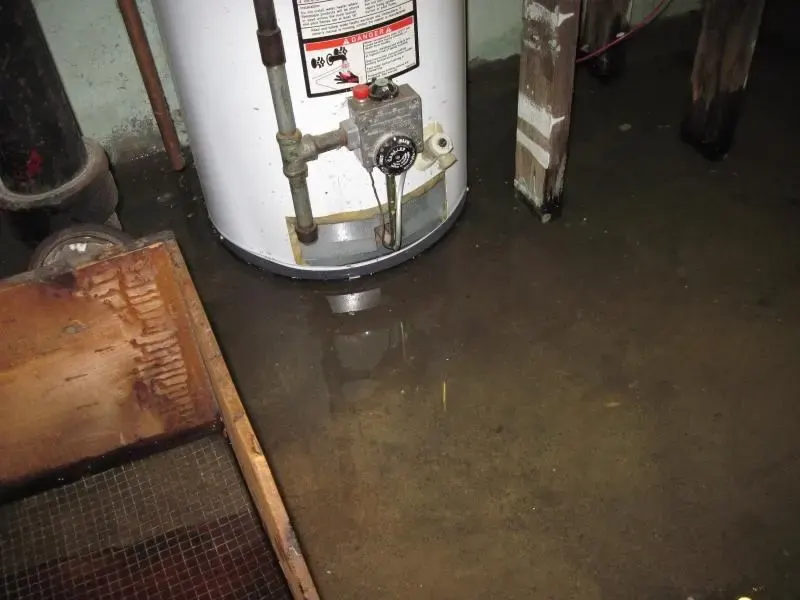
Do this first
First steps for water heater failure cleanup in Duluth
- 1
Close the cold supply valve
It is on the pipe entering the top of the tank. That stops the tank from refilling.
- 2
Turn off gas or power
Set a gas unit to off or pilot, or switch off the breaker for an electric unit.
- 3
Check below an attic unit
Look at the ceilings under it for stains or sagging drywall and keep people out from under a bulge.
- 4
Photograph the tank label
The manufacture date on the label helps with the claim and the replacement.
How the work is done
How the restoration team handles water heater failure cleanup
Rapid local response
The response team dispatches 24/7 across Duluth and Gwinnett County, with rapid local response on active water.
IICRC S500 drying standard
IICRC S500 is the industry drying standard. Structural drying, not just surface drying, with equipment sized to the room.
Claim-ready documentation
Moisture maps, daily drying logs and timestamped photos taken before any demolition go into the claim file.
Gwinnett water experts
Attic air handlers, polybutylene supply lines, daylight basements and red clay: the crews know how water moves in a Duluth house.
Typical cost ranges
What does water heater leak cleanup cost in Duluth, GA?
Water heater failure cleanup in Duluth, GA typically runs $1,000 to $6,500. The drivers are where the tank sits (an attic failure wets ceilings and insulation below), how long it leaked, and how many rooms and floors the water reached. Replacing the heater is separate.
Garage or basement tank
$1,000 to $2,500
- Extraction
- Drywall and baseboard drying
- Two to four equipment days
Attic tank, one ceiling
$2,500 to $4,500
- Wet insulation removed
- Ceiling opened and dried
- Drying on two levels
Slow leak or large spread
$4,500 to $6,500+
- Framing and subfloor wet
- Flooring removed
- Extended drying and logs
Ranges are typical, not quotes. For a closer planning number use the water damage cost calculator; the restoration contractor who responds sets the real scope after the walkthrough.
Water heaters usually fail in one of two ways: a slow drip from a corroded tank bottom that goes unnoticed, or a sudden rupture that dumps the whole tank. Either way, the supply line keeps refilling the tank until the valve on top is closed. In a Duluth house where the heater sits in the attic or above the garage, gravity takes the water straight into the ceiling below.
Where the water goes
From an attic, water soaks the blown insulation, runs along the ceiling joists and comes through at light fixtures and seams. From a garage, it spreads under the wall plate into the next room. From a basement, it wicks up drywall and into carpet pad. The tech who does the walkthrough traces it with thermal imaging and meters instead of guessing from the stains.
- Attic insulation that is soaked is removed and bagged.
- Sagging ceiling drywall is opened, because trapped water can bring it down.
- Floors and walls below are dried with air movers and LGR dehumidifiers.
How old is too old
Tank-style heaters commonly last about 8 to 12 years. The Department of Energy water heating page covers tank life and maintenance such as flushing sediment. A drain pan piped to the outside and a leak sensor are cheap protection for an attic unit.
After the dry-out
The equipment stays until readings say dry, and the drying logs, moisture map and photos go into the claim file. Ceiling repair and insulation replacement come after. If an attic air handler also leaks, the AC condensate leak page covers that, and the ceiling leak page covers the ceiling below. EPA moisture guidance explains why the 24 to 48 hour window matters.
The order of work
How water heater failure cleanup is handled in Duluth
- 1
Map the moisture
The tech who does the walkthrough maps moisture with pinless meters and thermal imaging, then sets the category and class of the loss before any equipment goes down.
- 2
Extract
The extraction crew pulls standing water with truck-mounted extraction so it leaves the house instead of wicking into the next room.
- 3
Dry the structure
The drying team sets air movers to each room's evaporation load and runs LGR dehumidifiers, which matters in a humid Georgia summer.
- 4
Verify dry
Crews log readings daily and pull equipment only when wet materials sit within 2 to 4 points of a dry reference material.
Areas served
Covered across Duluth and Gwinnett County
The Duluth restoration team works the whole city, from the Town Green and Pleasant Hill to Sugarloaf and the Chattahoochee side, and out to Suwanee, Johns Creek, Berkeley Lake, Peachtree Corners, Norcross and Lawrenceville.
Duluth ZIP codes 30095, 30096, 30097, 30098 and 30099 are all covered.
See every neighborhood and ZIP codeRelated
Related water damage services in Duluth
Answers
Water heater failure questions, answered
How do I stop a leaking water heater?
Close the cold water valve on the pipe entering the top of the tank, then turn off the gas or the breaker. If the valve will not turn, close the main shutoff for the house.
Why is my water heater in the attic?
Many Gwinnett builders put water heaters in attics or above garages to save floor space. It works until the tank fails, and then the water lands on a ceiling.
Does insurance cover water heater damage?
Water damage from a sudden tank failure is often covered after the deductible, while the tank itself usually is not. A slow leak that went unnoticed may be treated differently. Coverage depends on your policy, so it is worth checking with your own insurer.
Can the ceiling be dried or does it need replacing?
Ceiling drywall that is only damp and still flat can often be dried in place. Drywall that sags, has soaked insulation above it or will not dry to the goal is cut out and replaced after drying.
How long does drying take after a water heater leak?
Three to five days is typical for a contained loss. Multi-level spreads and wet subfloors take longer.
Should I drain the rest of the tank?
If it is safe and the tank is still intact, draining it through the valve at the bottom into a floor drain or outside limits further leaking. Leave it if the tank is ruptured or the area is flooded.
Emergency water removal, Duluth, GA
Water heater let go in your Duluth home?
Close the cold supply valve, then call. The drying team extracts and dries attics, ceilings and floors across Gwinnett County.