Category 3 water, handled as Category 3
Sewage Backup Cleanup in Duluth, GA
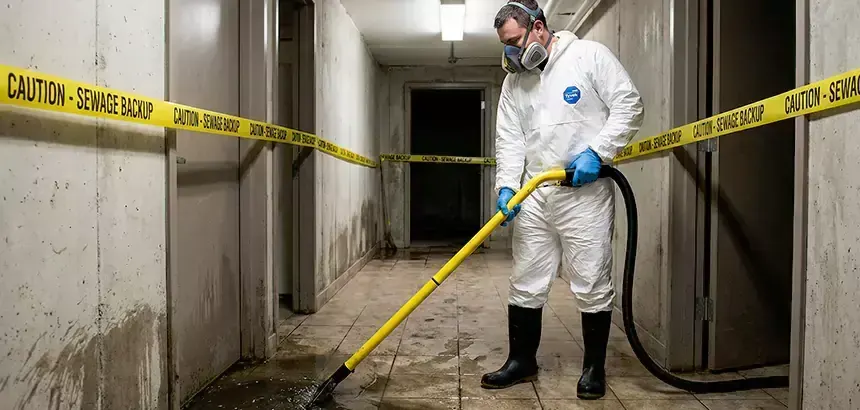
Sewage backup is Category 3 water the moment it happens. The mitigation team contains the area, removes porous materials the sewage touched, applies an EPA-registered antimicrobial and dries what is left to standard.
(888) 532-4616Call for Duluth sewage backup cleanup- Containment and HEPA scrubbers
- Porous materials removed
- EPA-registered antimicrobial
Do this first
First steps for sewage backup cleanup in Duluth
- 1
Stop using water in the house
Every flush and shower adds to the backup. Stop until the line is cleared.
- 2
Keep everyone out of the area
Close doors and keep children and pets away from the contaminated rooms.
- 3
Do not try to clean it with household products
Sewage needs removal of porous materials and proper disinfection, not a mop.
- 4
Call a plumber for the blockage
The line has to be cleared while the cleanup is set up.
How the work is done
How the restoration team handles sewage backup cleanup
Rapid local response
The response team dispatches 24/7 across Duluth and Gwinnett County, with rapid local response on active water.
IICRC S500 drying standard
IICRC S500 is the industry drying standard. Structural drying, not just surface drying, with equipment sized to the room.
Claim-ready documentation
Moisture maps, daily drying logs and timestamped photos taken before any demolition go into the claim file.
Gwinnett water experts
Attic air handlers, polybutylene supply lines, daylight basements and red clay: the crews know how water moves in a Duluth house.
Typical cost ranges
What does sewage backup cleanup cost in Duluth, GA?
Sewage backup cleanup in Duluth, GA typically runs $2,000 to $12,000. The drivers are how many rooms the sewage reached, how much carpet, pad, drywall and cabinetry has to be removed, whether containment and HEPA air scrubbers are needed, and how long it sat before cleanup.
One bathroom or small area
$2,000 to $4,000
- Containment
- Hard surfaces cleaned and treated
- Drying and readings
Basement or lower level
$4,000 to $8,000
- Carpet, pad and low drywall out
- HEPA air scrubbers
- Antimicrobial on framing
Large or long-standing
$8,000 to $12,000+
- Several rooms
- Cabinets and flooring removed
- Extended drying
Ranges are typical, not quotes. For a closer planning number use the water damage cost calculator; the restoration contractor who responds sets the real scope after the walkthrough.
A sewage backup usually shows up first at the lowest drain in the house: a basement floor drain, a lower-level toilet or a shower in a daylight basement. In Duluth the causes are familiar: tree roots in older clay or cast iron laterals, grease and wipes building up in the line, and heavy storms overloading the system. Whatever the cause, the water is Category 3 the moment it leaves the pipe.
What Category 3 protocol means
Sewage carries bacteria and other pathogens, so the IICRC rule is simple: porous materials it touched get removed, not dried. That includes carpet and pad, the bottom of the drywall, insulation and often particleboard cabinets. The mitigation team works in protective gear, sets up containment to keep the rest of the house clean, and runs HEPA air scrubbers while materials come out.
- Sewage is extracted and solids removed first.
- Porous materials are cut out and bagged for disposal.
- Hard surfaces and framing are cleaned and treated with an EPA-registered antimicrobial at its label dwell time.
- The area is dried with air movers and dehumidifiers and checked with readings.
Why it should not be a DIY job
Cleaning sewage with household products leaves contamination in porous materials and in the air. OSHA sets out the protective equipment standards used for this kind of work, and EPA moisture guidance covers why wet materials must dry quickly afterward.
Related losses
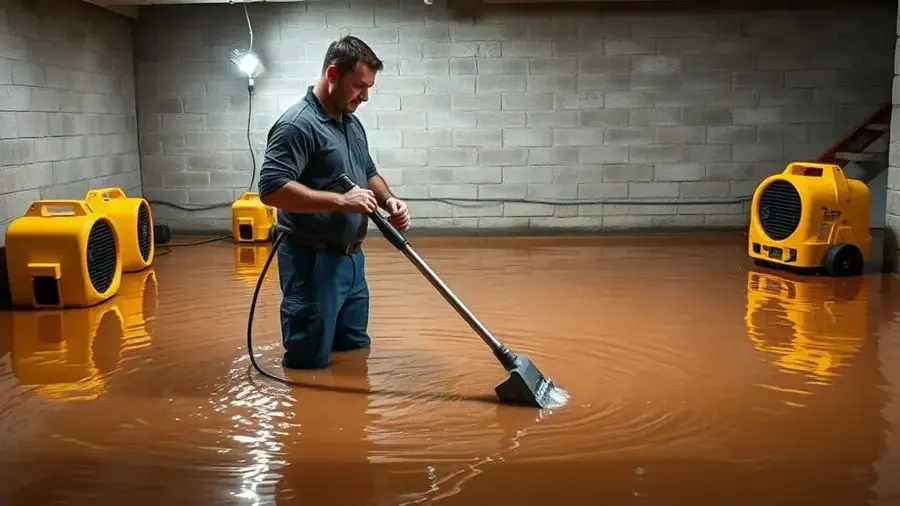
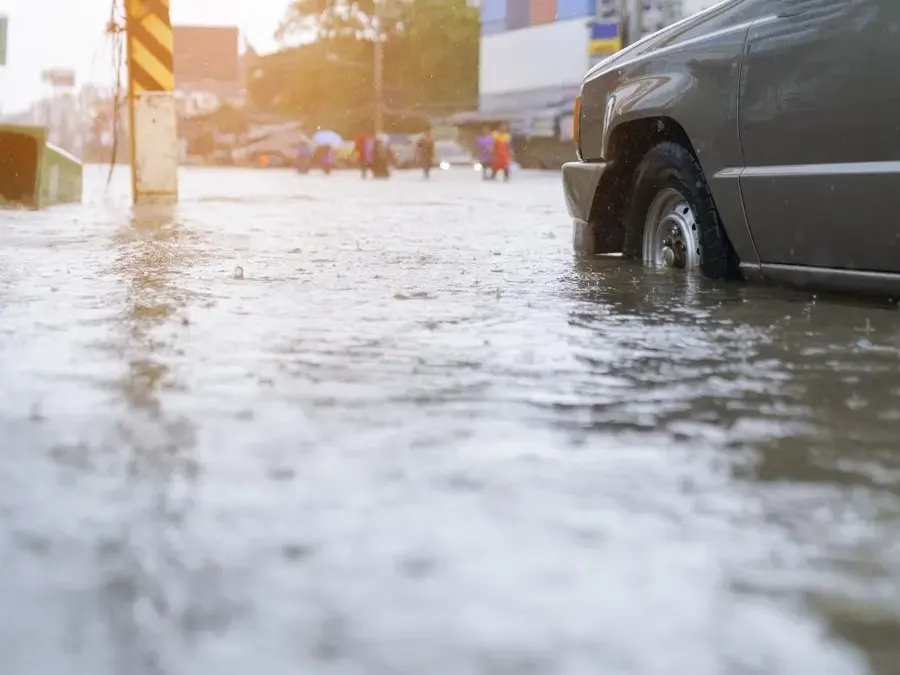
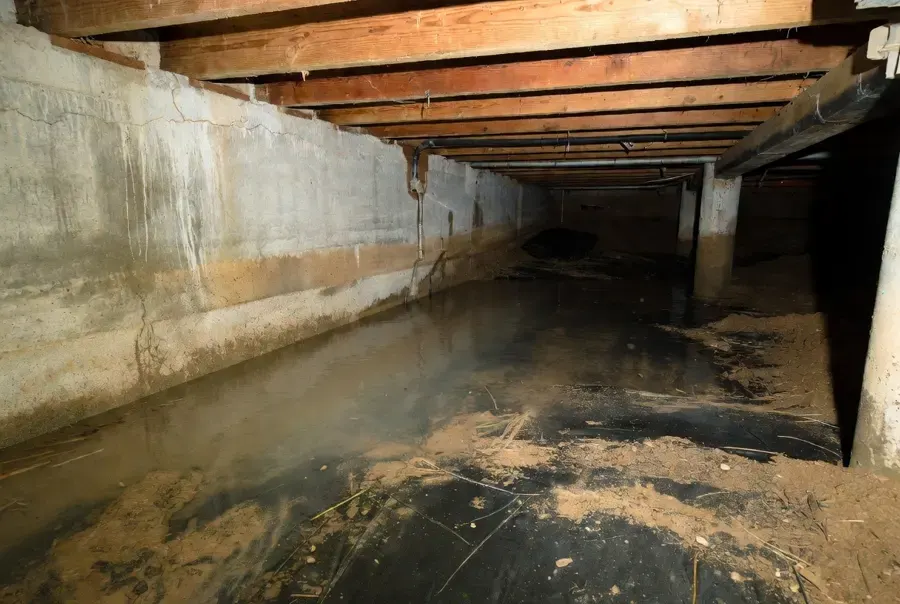
Storm runoff that enters a house is handled the same way, as described on the storm and flash flood cleanup page. If the backup came up in a basement, see basement flooding cleanup, and for a crawl space, crawl space water damage.
The order of work
How sewage backup cleanup is handled in Duluth
- 1
Map the moisture
The tech who does the walkthrough maps moisture with pinless meters and thermal imaging, then sets the category and class of the loss before any equipment goes down.
- 2
Extract
The extraction crew pulls standing water with truck-mounted extraction so it leaves the house instead of wicking into the next room.
- 3
Dry the structure
The drying team sets air movers to each room's evaporation load and runs LGR dehumidifiers, which matters in a humid Georgia summer.
- 4
Verify dry
Crews log readings daily and pull equipment only when wet materials sit within 2 to 4 points of a dry reference material.
Areas served
Covered across Duluth and Gwinnett County
The Duluth restoration team works the whole city, from the Town Green and Pleasant Hill to Sugarloaf and the Chattahoochee side, and out to Suwanee, Johns Creek, Berkeley Lake, Peachtree Corners, Norcross and Lawrenceville.
Duluth ZIP codes 30095, 30096, 30097, 30098 and 30099 are all covered.
See every neighborhood and ZIP codeRelated
Related water damage services in Duluth
Answers
Sewage backup cleanup questions, answered
Is it safe to stay in the house during a sewage backup?
Stay out of the affected area and keep it closed off. If sewage reached living spaces, the HVAC shares that air, or anyone in the house has a weak immune system, staying elsewhere until containment is up is the safer choice.
Why does carpet have to be thrown away?
Carpet and pad absorb sewage and cannot be reliably disinfected, so the IICRC standard calls for removing them after any Category 3 exposure.
Can I clean up a small sewage spill myself?
A small spill on a hard, non-porous floor like tile can be cleaned with gloves and a disinfectant. Anything that reached carpet, drywall or cabinets should be handled with Category 3 protocol.
Does insurance cover sewage backup?
Many homeowners policies exclude sewer backup unless a specific endorsement was added. Coverage depends on your policy, so it is worth checking with your own insurer.
What causes sewer backups in Duluth homes?
Common causes are tree roots in older sewer laterals, grease and wipes blocking the line, and heavy rain overloading the system. A plumber can camera the line to find the cause.
How long does sewage cleanup take?
Removal and disinfection usually take a day or two, and drying typically follows for three to five days depending on how much of the structure got wet.
Emergency water removal, Duluth, GA
Sewage backing up in your Duluth home?
Stop running water and keep everyone out of the area. The mitigation team handles Category 3 cleanup across Duluth and Gwinnett County.