Thunderstorm runoff and creek rise
Storm and Flash Flood Cleanup in Duluth, GA
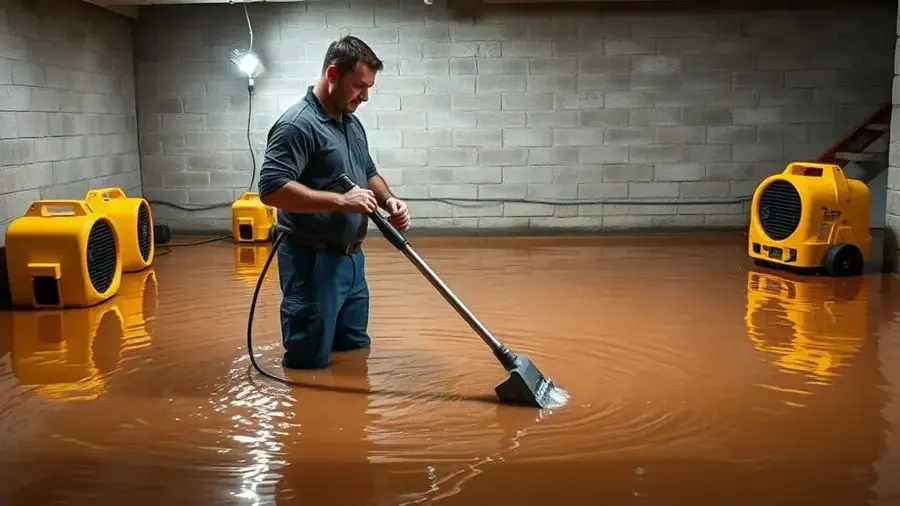
A slow-moving Georgia thunderstorm can drop several inches of rain in a few hours, more than storm drains and red clay can take. When that runoff comes inside, it is Category 3 water. The restoration team extracts it, removes what it ruined, disinfects and dries.
(888) 532-4616Storm water inside? Call a Duluth pro- Category 3 protocol
- EPA-registered antimicrobial
- 24/7 dispatch

Do this first
First steps for storm and flash flood cleanup in Duluth
- 1
Stay out of moving or deep water
Floodwater can carry sewage and hide hazards. Never drive or walk through it.
- 2
Cut power only if it is safe
If water reached outlets and the panel is dry and reachable, switch it off. If not, wait.
- 3
Photograph the water line
A picture of the high-water mark on walls helps the claim.
- 4
Keep children and pets out
Everything floodwater touched should be treated as contaminated.
How the work is done
How the restoration team handles storm and flash flood cleanup
Rapid local response
The response team dispatches 24/7 across Duluth and Gwinnett County, with rapid local response on active water.
IICRC S500 drying standard
IICRC S500 is the industry drying standard. Structural drying, not just surface drying, with equipment sized to the room.
Claim-ready documentation
Moisture maps, daily drying logs and timestamped photos taken before any demolition go into the claim file.
Gwinnett water experts
Attic air handlers, polybutylene supply lines, daylight basements and red clay: the crews know how water moves in a Duluth house.
Typical cost ranges
What does storm flood cleanup cost in Duluth, GA?
Storm and flash flood cleanup in Duluth, GA typically runs $2,500 to $15,000 or more. The drivers are how deep the water got, how many rooms and levels it reached, how much carpet, drywall and flooring has to come out as Category 3 material, and how fast cleanup started.
Garage or one low room
$2,500 to $5,000
- Extraction and mud removal
- Low drywall cut out
- Antimicrobial and drying
Basement or whole level
$5,000 to $10,000
- Carpet, pad and drywall out
- Containment
- Several days of drying
Deep water, several levels
$10,000 to $15,000+
- Large material removal
- HEPA air scrubbers
- Extended drying and logs
Ranges are typical, not quotes. For a closer planning number use the water damage cost calculator; the restoration contractor who responds sets the real scope after the walkthrough.
Storm flooding in Duluth rarely looks like a river over its banks. More often it is a summer downpour that overwhelms the storm drains and the clay yard, and runoff comes in through a walkout basement door, a garage or a low crawl-space vent. Homes on low lots near the creeks that feed the Chattahoochee see it most, and remnants of tropical storms in late summer and fall bring the heaviest totals.
Why storm water is handled like sewage
Runoff crosses lawns, streets and sometimes overflowing sewer lines, so the IICRC treats it as Category 3 the moment it enters the house. Porous materials it touched, like carpet, pad, the bottom of the drywall and wet insulation, are removed rather than dried. The extraction crew pulls the water and mud first, then the mitigation team sets up containment and applies an EPA-registered antimicrobial before drying begins.
- Flood cuts are made above the high-water line so wet insulation and drywall come out cleanly.
- HEPA air scrubbers run in contained areas while materials are removed.
- Hard surfaces are cleaned and treated, then dried with air movers and LGR dehumidifiers.
Documentation after a storm
After a storm, insurers see many claims at once, so a clear file helps. Photos of the high-water line, a moisture map, a list of removed materials and daily drying logs make the loss easy to understand. Outside water is usually a flood policy question, which FloodSmart.gov explains.
Safety first
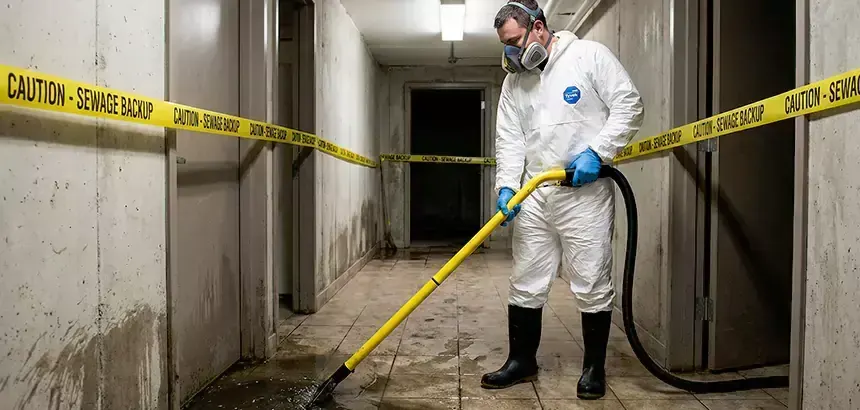
The National Weather Service flood safety page and Ready.gov flood guidance both cover what to do during and after a flood. If the water came up through a floor drain or toilet, see sewage backup cleanup, and for a daylight basement, basement flooding cleanup.
The order of work
How storm and flash flood cleanup is handled in Duluth
- 1
Map the moisture
The tech who does the walkthrough maps moisture with pinless meters and thermal imaging, then sets the category and class of the loss before any equipment goes down.
- 2
Extract
The extraction crew pulls standing water with truck-mounted extraction so it leaves the house instead of wicking into the next room.
- 3
Dry the structure
The drying team sets air movers to each room's evaporation load and runs LGR dehumidifiers, which matters in a humid Georgia summer.
- 4
Verify dry
Crews log readings daily and pull equipment only when wet materials sit within 2 to 4 points of a dry reference material.
Areas served
Covered across Duluth and Gwinnett County
The Duluth restoration team works the whole city, from the Town Green and Pleasant Hill to Sugarloaf and the Chattahoochee side, and out to Suwanee, Johns Creek, Berkeley Lake, Peachtree Corners, Norcross and Lawrenceville.
Duluth ZIP codes 30095, 30096, 30097, 30098 and 30099 are all covered.
See every neighborhood and ZIP codeRelated
Related water damage services in Duluth
Answers
Storm and flash flood cleanup questions, answered
Is storm flood water really that dangerous?
Yes. Runoff picks up whatever it crosses, including lawn chemicals, animal waste and sometimes sewer overflow, so it is treated as Category 3 water and porous materials it touched are removed.
Can carpet be saved after a flash flood?
No. Carpet and pad that sat in outside floodwater are removed and discarded. Hard flooring is judged case by case, and some can be cleaned, treated and dried.
Does homeowners insurance cover flash floods?
Standard homeowners policies usually exclude rising outside water, which falls under flood insurance. Wind-driven rain through a damaged roof may be treated differently. Coverage depends on your policy, so it is worth checking with your own insurer.
How high do the drywall cuts go?
Usually a foot or two above the visible water line, because water wicks up drywall and insulation. The tech who does the walkthrough sets the height from the moisture readings.
How long does storm flood cleanup take?
Removal and disinfection often take a day or two, then drying typically runs three to five days. Larger losses with several levels take longer.
What should I do with belongings that got wet?
Photograph everything first. Soft items that sat in floodwater, like mattresses and upholstered furniture, are usually discarded; hard items can often be cleaned and disinfected.
Emergency water removal, Duluth, GA
Storm water got into your Duluth home?
Stay out of deep water and photograph the high-water line. The mitigation team handles Category 3 cleanup and drying across Gwinnett County.